Soil Sterilization
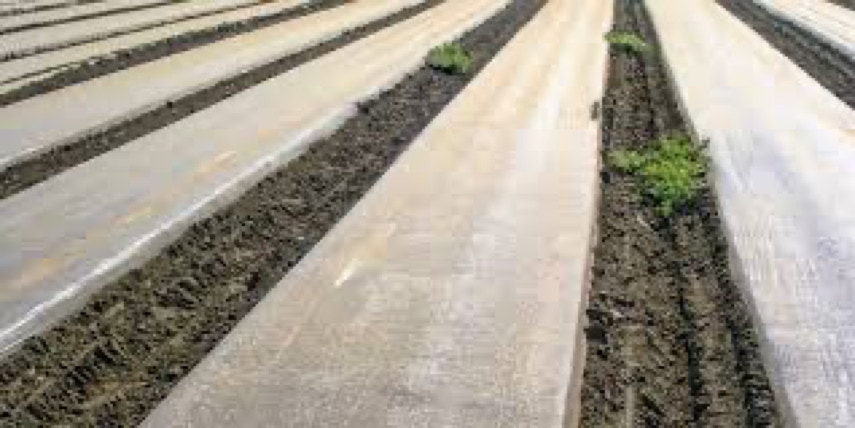
Soil sterilization is a process that kills pathogens, weed seeds, and pests in soil, improving plant health and crop yields, and can be achieved through methods like steam sterilization, oven baking, microwave treatment, and solarization. Common methods include heating soil to 180°F (82°C) for 30 minutes in an oven or using a microwave, while solarization involves covering moist soil with a plastic sheet in the sun for several weeks. While effective, over-sterilization can harm beneficial microbes, and some methods require careful safety precautions to avoid damage.
Methods for Soil Sterilization
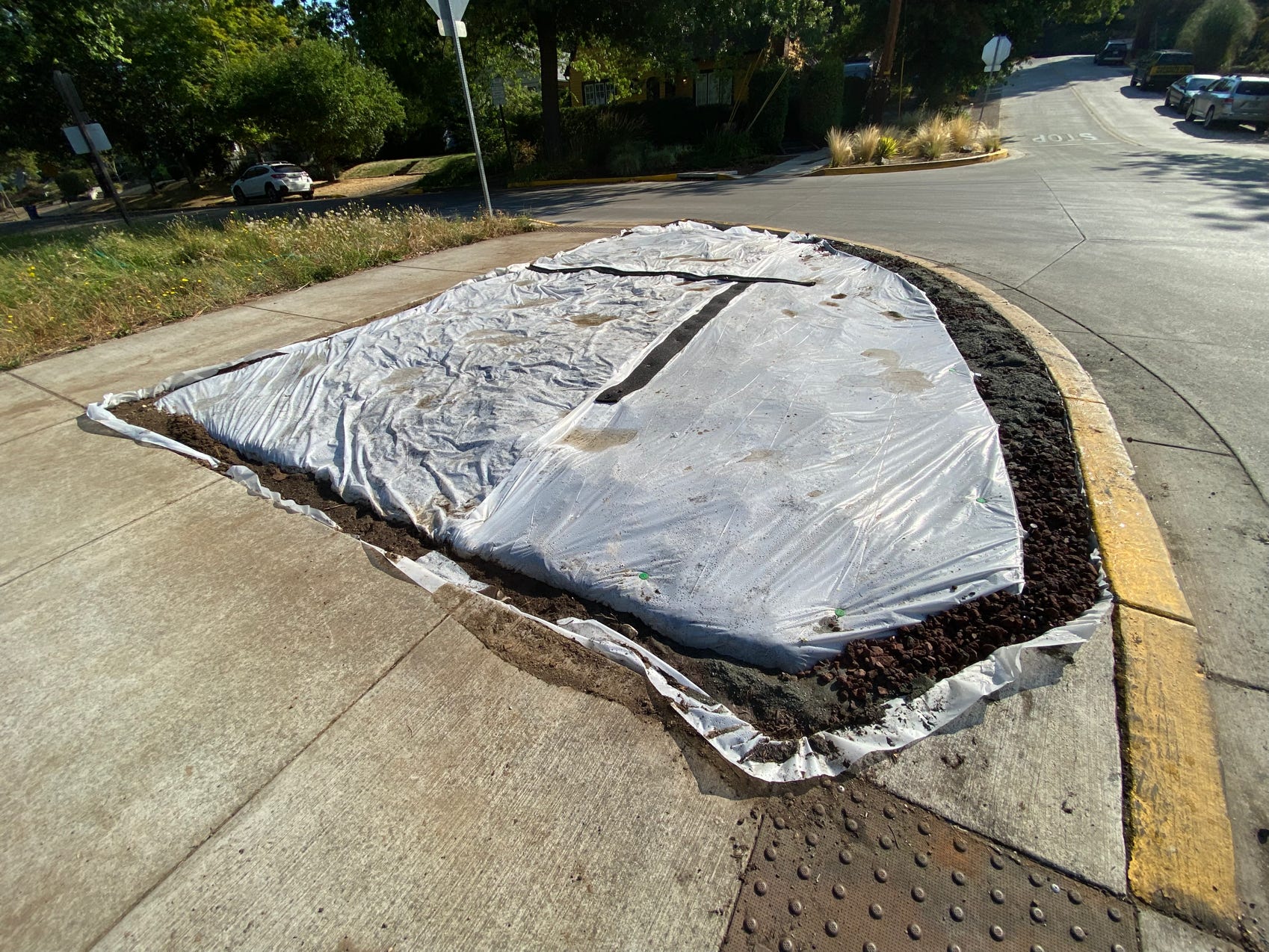
Spread moist soil thinly on a plastic sheet, cover it with another plastic sheet, and place it in direct sunlight for six to ten weeks. The sun's heat will kill pests and pathogens.
This process kills or suppresses many weeds, pathogens, and pests, improving soil health and increasing crop yields without chemicals
1 Soil preparation: Clear the area of plants, large debris, and rocks. Till the soil to a depth of 6–12 inches to create a smooth, even surface without large clods. A smooth surface ensures the plastic lays flat, maximizing heat absorption.
2 Moisten the soil: Water the soil deeply, to a depth of at least 12 inches. Moist soil conducts and holds heat much better than dry soil. It also makes soil-borne pests and pathogens more susceptible to heat.
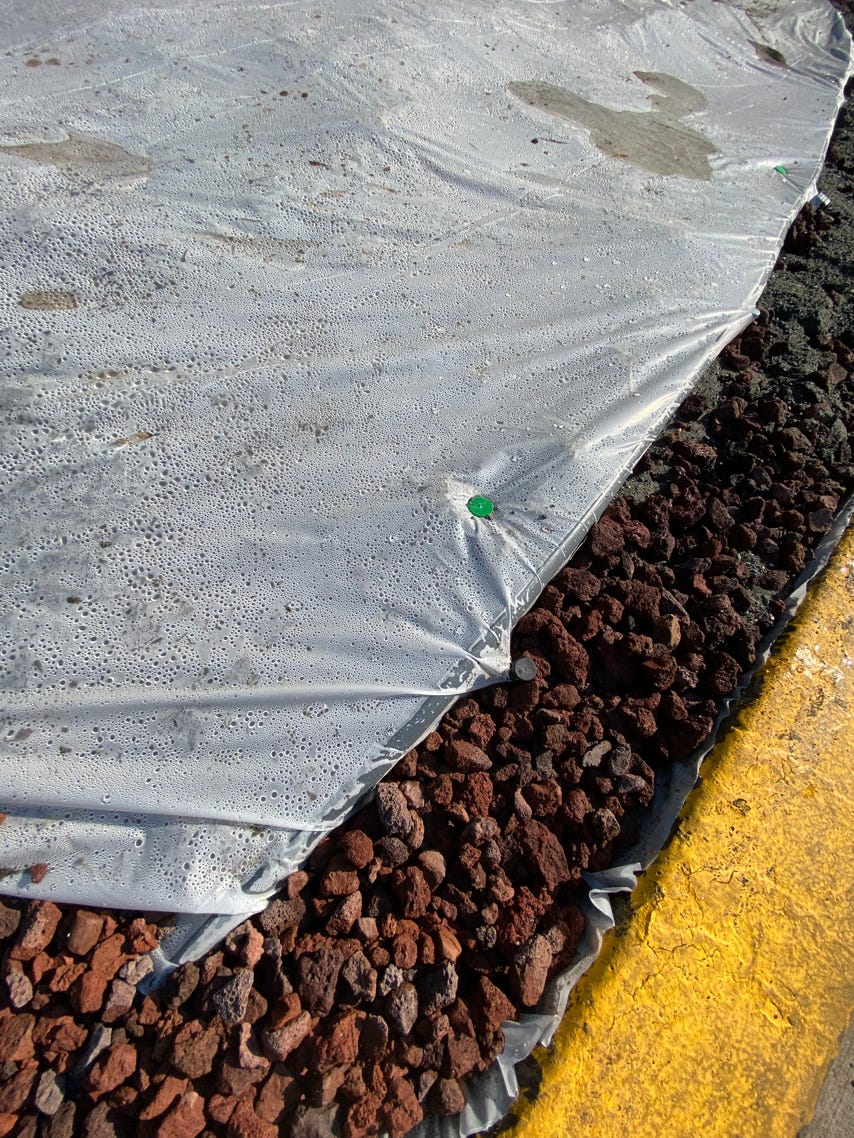
3 Cover with plastic: Use a clear (transparent) polyethylene tarp, clear or transparent plastic sheeting is best because it allows sunlight to penetrate and heat the soil, killing pests and pathogens. Opt for UV-resistant plastic of 1-2 mil thickness for better durability and heat transfer, ensuring the area is moist and the plastic is sealed tightly to trap heat effectively.
4 Seal the edges: Bury the edges of the plastic in a trench around the perimeter, or weigh them down with soil, boards, or other heavy objects. The goal is to create an airtight seal that prevents heat from escaping.
5 Monitor and wait: Leave the plastic in place for 4–6 weeks during peak summer heat. Check for and repair any tears with patching tape. During this time, soil temperatures in the top few inches can reach as high as 140°F.
Post-solarization:
After the treatment period, carefully remove the plastic. Avoid tilling or excessively disturbing the soil, which can bring up new weed seeds from deeper, untreated layers.
Impact on soil organisms
Solarization is most effective in the top 6 inches of soil, with heat decreasing significantly at deeper depths.
Pests and pathogens controlled
Solarization is a broad-spectrum disinfestation method that controls many common garden problems:
• Fungi and bacteria: Kills or suppresses pathogens that cause diseases like Fusarium wilt, Verticillium wilt, Phytophthora root rot, and damping-off.
• Weeds: Kills many annual and perennial weed seeds and seedlings.
• Nematodes: Reduces the population of many nematode species, though mobile nematodes can move deeper to escape lethal temperatures.
Effects on beneficial organisms
• Many survive: Many beneficial microbes, including some mycorrhizal fungi and beneficial bacteria, are able to survive the solarization process.
• Rapid recolonization: Beneficial organisms often recolonize the treated soil rapidly after the plastic is removed. Adding compost after solarization can help restore beneficial microbial communities.
• Deep-burrowing life: Earthworms typically burrow deeper to escape the heat and are not eliminated.
Advantages
Eco-friendly: Does not use chemical fumigants that can contaminate groundwater or harm the environment.
Cost-effective: Uses inexpensive, readily available materials like clear plastic sheeting.
Broad-spectrum control: Suppresses a wide range of weeds, pathogens, and pests in a single treatment.
Improves soil health: The heating process can increase the availability of plant nutrients like nitrogen, calcium, and magnesium.
Disadvantages
Can harm some beneficials: While many beneficial organisms survive, some are killed by the high temperatures.
Weather dependent: Requires extended periods of hot, sunny weather to be effective.
Limited depth: Less effective at controlling deep-rooted weeds and pests in the lower soil layers.
Requires bare soil: The treatment area cannot be used for planting for several weeks during the prime summer growing season.
Plastic waste: The disposable plastic sheeting creates a waste product.
Long-lasting effects: The positive impact on soil health and pest control can last for multiple growing seasons.
• Steam Sterilization: .
This method uses heat to kill organisms by bringing the soil to a temperature of at least 180°F (82°C) for 30 minutes. It can be done in a pressure cooker or an open pan with steam.
• Oven Sterilization: .
For smaller quantities, you can bake moist soil in a dish at around 180°F (82°C) to 250°F for 30-45 minutes, ensuring the internal temperature reaches the target. Cover the soil with aluminum foil to contain the heat and steam.
• Microwave Treatment: .
Place soil in a microwavable container and heat it for short intervals, monitoring the temperature with a thermometer. The soil should reach at least 180-200°F (82-93°C).
• Chemical Treatment: .
This involves applying chemical solutions, such as a formaldehyde drench or a hydrogen peroxide solution, to the soil. Be sure to follow the manufacturer's instructions for dilution and application, and allow sufficient drying time before use.
Why Sterilize Soil?
• Kills Disease-Causing Organisms: Sterilization eliminates harmful pathogens like fungi, bacteria, and viruses that can attack plants.
• Eliminates Pests: It destroys soil-borne pests, such as insects and nematodes.
• Removes Weed Seeds: The heat or chemicals kill weed seeds, preventing them from growing in your garden.
Considerations
• Over-Sterilization:
Heating soil too much can destroy beneficial microbes and alter its chemical properties, making it unsuitable for plant growth.
• Safety:
Use oven mitts and caution when handling hot soil, and ensure proper ventilation when using chemicals.
• Purpose:
Soil sterilization is most useful for small-scale applications like seedbeds or greenhouses where preventing disease is critical.